The Heap Remembers: Unearthing Three Decades of Cornish Garden Taste
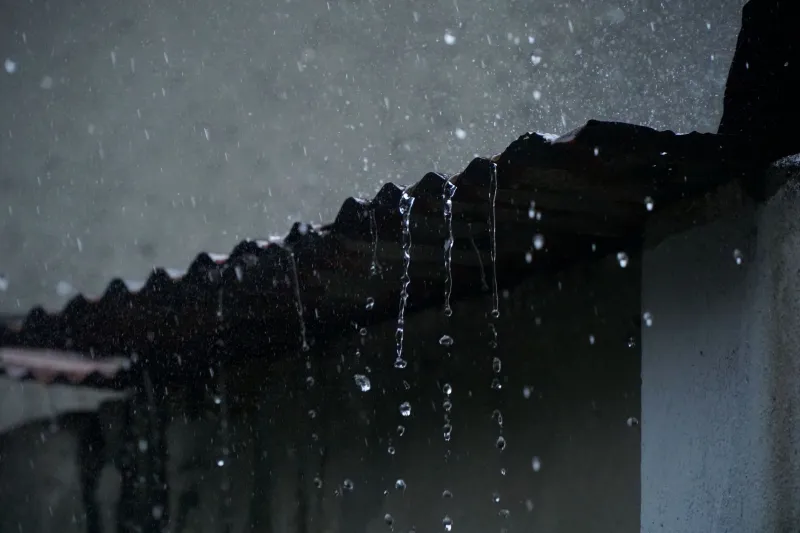
The heap sits at the bottom of the garden, backed against a granite wall that sweats in November. Three pallets, a sheet of corrugated tin on top, and a lid made from an old water tank. It had not been properly turned since before anyone in the house could remember. So on a wet Tuesday morning, with the mizzle coming sideways off the lane, I went down with a fork and a vague plan to get it emptied before Christmas.
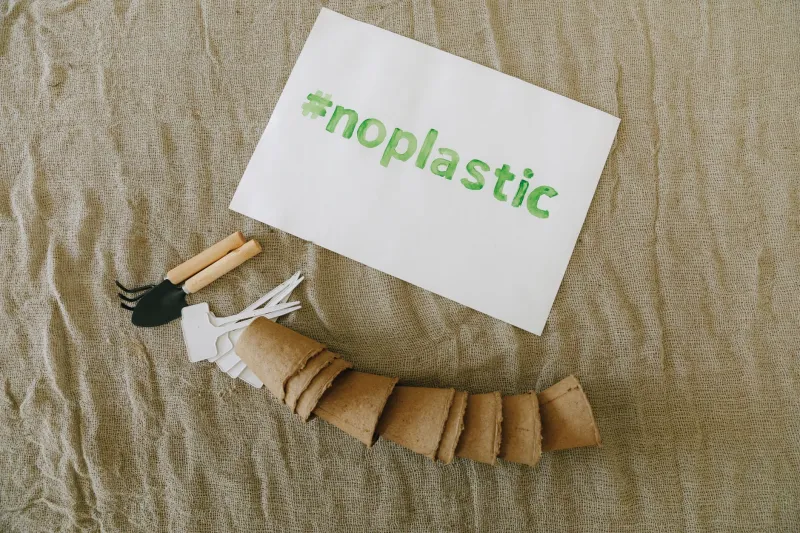
The fork went in easily for the first foot or so. Then it stopped with that dull, expensive clunk that means something made of metal, clay or stone is buried in the middle. I levered up a slab of half-rotted organic matter and found a trowel blade, orange with rust, its handle long gone. Under that, a shard of terracotta. Then another. Then a plant label, white plastic gone the colour of weak tea, with the words 'Lavandula angustifolia Hidcote' still just about legible in faded marker.
The smell of an old heap
An ancient compost heap has a smell all of its own. Not the clean earthiness of finished leaf mould, and not the sourness of a pile gone anaerobic. It is sweeter than either — mushrooms, damp cardboard, the ghost of a thousand tea bags. It smells like a shed that has been shut up for years, which is essentially what it is: a shed for the things the garden has finished with.
I worked through it in layers, like a very slow archaeological dig with fewer brushes and more worms. The bottom third was the interesting part. That is where the old heap had sat undisturbed while newer material was piled on top, and it had preserved things in a way that a tidy gardener would never have allowed.
What came out of the bottom third
Three broken terracotta pots, one with a rim intact enough to show the maker's stamp. A hand fork with a split handle bound in black electrical tape, the tape gone brittle and shiny. A set of wooden labels, the pencil writing almost worn away, though one still read 'Paeonia — do not disturb' in a careful, old-fashioned hand.
Then the seed packets. A sun-bleached paper packet with a price printed in shillings — a small reminder of just how long this pile had been quietly receiving. Another from a garden centre that closed years ago, its logo a green circle around a stylised tree. A third, entirely blank, containing a pinch of something that might once have been cosmos seed and was now a small ecosystem of its own.
And labels, dozens of them. Plastic, wood, copper, one made from a cut-up margarine tub. Some were for plants still in the garden. Many were not.
A fashion parade in a pile
Read enough old labels and you start to see the decades stacked up like strata. Hebes and lavender, lots of them — the reliable backbone of a certain kind of Cornish border. Several hostas, a fuchsia or two, a phormium whose label had been written in a hurry. A cordyline, of course. You cannot dig far in a Cornish garden without finding evidence of somebody's palm phase.
There were labels for plants that had clearly been fashionable once and then fallen out of favour: a heather or two, a dwarf conifer, a shrub whose name suggested it had been bought at a garden festival in the 1990s. And there were labels for plants that never really went out of fashion here at all — tree ferns, hardy geraniums, the sort of thing that shrugs off a wet Cornish winter and makes the rest of the country jealous.
What struck me was not the variety but the repetition. Four labels for meconopsis, all in different hands. Three for roscoea. Two for a peony that had evidently been moved at least once and possibly resented it. This was not the record of a gardener who bought one of everything. It was the record of somebody who kept trying the same thing, season after season, and burying the evidence when it failed.
The archaeology of stubbornness
The terracotta shards tell their own story. Once upon a time, everything went into clay pots, and broken pots became crocks at the bottom of the next pot. Then plastic arrived, and the crocks stopped being needed, and the broken terracotta started going on the heap instead. I found a layer of it about two-thirds of the way down, a whole crust of orange fragments, like the remains of a small pottery.
The rusty tools are harder to date. A trowel blade could be from any decade. The taped-up fork handle suggests a gardener who mended things rather than replaced them, which is either thrift or stubbornness depending on your mood. A small price tag, still attached to a broken hand fork by a loop of wire, says something else again: somebody once bought this new, and was pleased with it.
Heaps are accidental archives. They record purchases, mistakes, weather, and the quiet economics of a household. They also record what we chose not to keep in the garden, which is often more revealing than what we did.
What earns a place back on the heap
The clear-out was not just an exercise in nostalgia. It was also a chance to rebuild the heap properly for the winter ahead, and to be a bit more thoughtful about what goes back in.
The good stuff is straightforward: a mix of greens and browns, chopped up small, turned occasionally, covered against the worst of the rain. Cornish mizzle is excellent for compost and terrible for keeping a heap from getting soggy, so a lid or an old piece of carpet helps. Annual weeds are fine if they have not set seed. Eggshells, coffee grounds, tea leaves, cardboard without glossy tape or plastic windows — all welcome. Soft prunings, spent annuals, the tops of perennials cut back in autumn: in they go.
What stays out
Some things should never go back on a domestic heap, no matter how romantic the idea of closing the loop. Bindweed, ground elder and Japanese knotweed are non-negotiable — the first two will survive almost anything, and the third should not be composted at home at all. Perennial roots, thick woody stems, and anything carrying weed seed are best kept out or sent to the council.
Diseased material is a judgement call. Blight-infected tomato haulm and clubroot-affected brassica roots are usually better away from the heap. Cooked food, meat and dairy attract rats. Glossy paper, plastic labels, plant ties and rusty metal do not rot, and will simply be there for the next person to dig up. Treated timber and charcoal from barbecues are not worth the risk.
And those faded plant labels? They went into a jam jar on the shed windowsill, a small museum of previous attempts. The rest went back on the heap, along with a layer of autumn leaves and the last of the grass clippings.
By the time I finished, the light had gone and the rain had settled into something more persistent. The heap was rebuilt, tidier than it had been in years. Somewhere in the middle of it, a new set of labels is already starting to rot down. The next gardener will find them eventually, and wonder what on earth we were thinking.
Probably that we bought too many astrantias, and never did learn to write in pencil.