Stones That Remember: Making Gardens on Cornwall’s Old Mine Ground
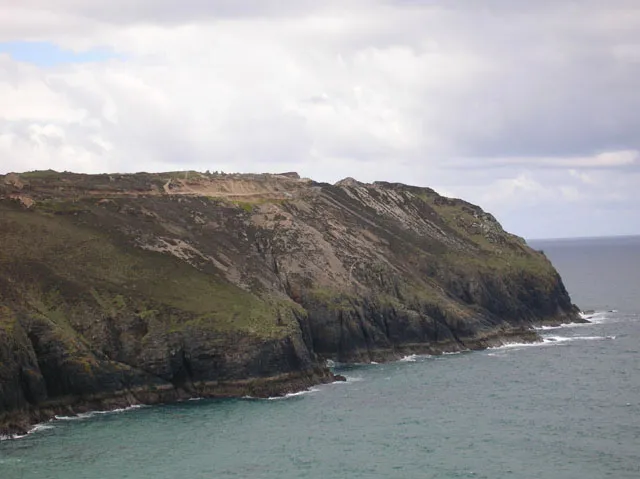
Photo: Joe Pritchard, CC BY-SA 2.0, via Wikimedia Commons
The first thing you notice on the old mine ground above St Day is the stone. It is not the tidy slate of a garden wall but grey, knuckled waste, the leftovers of tin and copper workings that once made this part of Cornwall one of the most industrial landscapes in the world. Grass grows in patches. Gorse takes hold. And then, on a sloping plot behind a hedge, there is a garden.
It is a community garden, part allotment, part repair job. Raised beds sit on made ground. A path of crushed stone curves between rosemary bushes and a stand of kale. Someone has left a corner of spoil untouched, with a small sign explaining what the ground once was. The garden does not pretend the mine is not there. It grows around it.
A soil that argues back
The growers here are quick to tell you that this is not gardening in the ordinary sense. The soil is thin, stony and quick to drain. In summer, it can dry out within days. In winter, it can be waterlogged where the rock holds water. Nutrients leach away. A spade meets stones, then more stones. And because this is old mining ground, the soil can carry metals such as arsenic, lead and copper, depending on where you are.
That last point matters. Anyone gardening on or near old mine workings should take advice before growing food, especially root crops. Local authority environmental health teams, the Environment Agency and organisations such as the Cornwall Mining Heritage team can help with testing and guidance. On this site, the community group uses raised beds with imported topsoil for leafy crops and roots, and keeps the in-ground planting to flowers, herbs and shrubs. They wash hands, gloves and produce, and they keep children and dogs to the paths.
But the thin soil is not only a problem. It is also a filter. It drains fast, which suits plants from dry, exposed places. It warms early in spring. It keeps roots from sitting wet. The growers have learned to work with what is there rather than fighting it.
What thrives
Rosemary is the hero of the plot, along with thyme, lavender and fennel. These are plants that like lean, free-draining ground and plenty of sun. Thrift, or sea pink, grows well in the stony pockets, a reminder that Cornwall's coast is never far away. Sedum, achillea and globe artichoke have all found a place. So have broad beans, chard and kale in the raised beds, where the soil is deeper and kinder.
One grower shows me a bed of purple sprouting broccoli that has come through a windy winter. 'It is not a prize-winning specimen,' she says, 'but it is ours.' That seems to be the spirit of the place. The garden is not trying to look like a Chelsea show garden. It is trying to be useful, beautiful and honest about where it is.
The wild edges are part of the design. Gorse, foxgloves and viper's bugloss move in without being asked. The group leaves some areas uncut for insects and for the sake of the seed heads. On a bright November day, the garden is mostly structure: stems, stones, hedges and paths. It is easier to see the bones of it.
The allotment as a repair job
Community gardens on mine ground do more than grow plants. They make a place feel cared for. The old workings are part of Cornwall's identity, but they can also feel like wounds. A garden changes the way people move through the landscape. Instead of walking past a spoil heap, you walk into it, sit beside it, and learn what it was.
The practical lessons travel well. If you have poor soil, do not assume you can fix it with a bag of compost and a weekend. Test it. Find out what drains and what holds water. Use raised beds for hungry crops and keep the ground for plants that suit it. Let stones become paths or edges. Mulch to protect the surface. Choose plants for the conditions you have, not the conditions you wish you had.
And leave a little wildness. On a difficult site, the wild plants are often the first to show you what will survive. They are a free survey. The garden on the spoil heap is not a triumph over the ground. It is a conversation with it.
Roots in the rubble
Back on the path, the light is going. The rosemary is dark green against the grey stone, and the kale holds its shape in the wind. It is not a soft garden, but it is a generous one. It gives food, shelter and a sense of place. For anyone gardening on poor soil, that is the lesson worth taking home: work with the ground you have, and let the history show through.