Mortar, Moss and Memory: How Cornwall’s Garden Walls Tell Their Stories
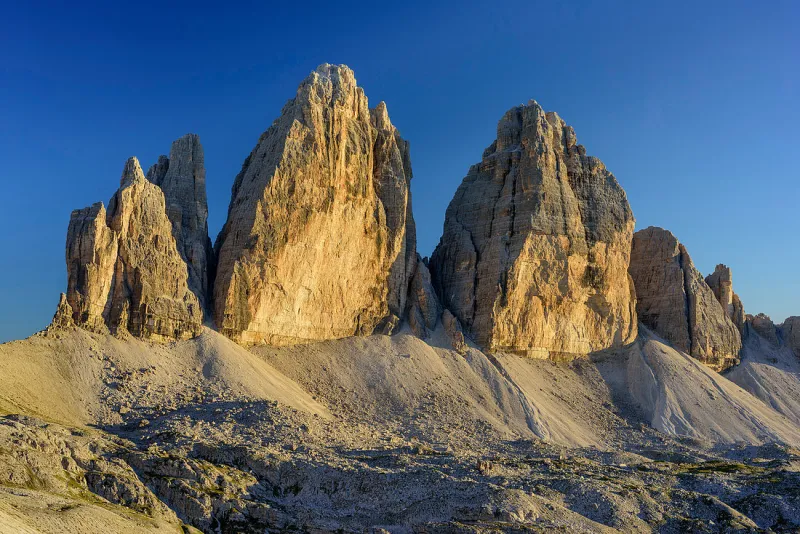
Photo: Cornish drystone garden wall slate lichen moss Cornwall UK, via media02.stockfood.com
On a bright, blustery morning near Penryn, Tamsin Renny is doing something that looks suspiciously like listening. She crouches beside a low garden wall, runs a thumb along a piece of slate and points to the pale green lichen mapping its surface. ‘That’s not decoration,’ she says. ‘That’s a record. This wall has been damp, shaded and left alone long enough to grow a small landscape of its own.’
Renny is a working waller, one of a quiet band of craftspeople across Cornwall who repair and rebuild the boundaries that stitch gardens into the landscape. For her, a garden wall is never simply the thing that separates the flowerbeds from the lane. It is a slow archive: a record of what the ground produced, what the weather threw at it and what each generation of growers thought a boundary should do.
That idea is having a moment. As UK gardeners become more interested in local materials and lower-impact design, the humble Cornish wall is being read less as a backdrop and more as a piece of living history. And once you start looking, it is hard to stop.
A boundary with a memory
Cornwall’s walls are not a single type. There are drystone walls, built without mortar and relying on gravity and careful packing. There are stone-faced earth banks, often called Cornish hedges, which are really a hybrid of wall and hedge: a solid core of soil and stone with plants and turf on top. There are slate walls, granite walls, whitewashed cob walls and later brick boundaries around town gardens. Each one tells you something about the place it stands in.
Dr Elowen Hocking, a garden historian based in Truro, argues that boundaries are one of the most under-read parts of a garden. ‘People will research a plant label for hours and barely glance at the wall beside it,’ she says. ‘But the wall often has a longer story. It can tell you where the stone came from, how wealthy the owner was, whether the garden was exposed to the sea and even what sort of fashion was blowing through at the time.’
Hocking points to the way local materials shape local character. In areas where slate was plentiful, walls tend to be thinner, darker and sharply layered. Where granite was more available, boundaries feel heavier and more monolithic. In fishing villages, walls might be whitewashed to bounce light into small gardens and to protect against salt. Inland, earth-cored hedges make use of what was close at hand: soil, stone and plants that could knit the whole thing together.
Reading the weather in stone
The prevailing south-westerly winds are another author of these walls. A boundary that looks unnecessarily thick on a calm day may be doing serious work in January. Walls shelter tender plants, funnel warmth, cast shade and create the small microclimates that make Cornish gardens so varied. A wall that faces south can turn a modest plot into a sun trap; one that faces the coast can be a windbreak first and a design feature second.
Renny says she can often tell how exposed a garden is just by looking at the wall’s construction. ‘If it’s got a good batter — that slight lean back into the bank — it’s usually been built by someone who knew what the wind would do,’ she explains. ‘A straight, thin wall in a windy spot is either new or it’s about to become a problem.’
That practical knowledge is part of the appeal. Walls are not passive. They move, settle, crack and grow. Moss and lichen soften them; ferns and stonecrop find footholds; mice and beetles move into the gaps. A well-built wall is a habitat as much as a hurdle.
The waller’s craft
Renny learned her trade repairing field boundaries before moving into garden work. She says garden walls are often more forgiving than agricultural ones, but also more personal. ‘In a field, the wall is doing a job. In a garden, it’s doing a job and being looked at. People notice if a top stone is out of line.’
Her approach is simple: use what is there, disturb as little as possible and let the wall keep its history. ‘If a wall has been standing for a hundred years, it has earned its shape,’ she says. ‘You don’t want to make it look like it was built last week. You want to help it carry on.’
That philosophy sits well with the growing interest in sustainable garden design. Reusing local stone avoids hauling new material across the country. Repairing rather than replacing keeps embedded carbon low. And a wall that is allowed to age gracefully supports more wildlife than a pristine new boundary ever will.
Wealth, whimsy and the occasional folly
Not every wall is purely practical. Hocking notes that boundaries have long been used to signal status, taste and sometimes pure whimsy. Tall stone walls around Victorian gardens spoke of privacy and money. Whitewashed walls could be a fashion statement as much as a practical choice. And some walls were built to frame a view, create a theatrical entrance or hide a working area from guests.
‘There is a wonderful strain of eccentricity in Cornish gardens,’ Hocking says. ‘A wall might be there to keep the wind out, but it might also be there because someone wanted a particular view of the sea, or because they liked the look of a ruin, or because they wanted to annoy a neighbour. Boundaries are never just about boundaries.’
That sense of character is why walls matter to garden design now. A boundary sets the mood before a visitor has seen a single plant. It can make a garden feel enclosed and intimate, or open and borrowed from the landscape. It can suggest age, craftsmanship, thrift or extravagance. It is, in effect, the garden’s first sentence.
How to read your own wall
You do not need to live in Cornwall to try this. Start by looking at what your boundary is made from and where those materials might have come from. Check how it handles weather: does it shelter, shade or funnel wind? Look for signs of repair and change. Different stones, patched sections and later additions are all part of the story. Notice what is growing on it. Moss, lichen, ferns and ivy are clues to moisture, light and age.
Then ask what the wall is doing for the garden. Is it a windbreak, a privacy screen, a backdrop, a wildlife corridor or all four? Would a different boundary — or a softer one — change how you use the space? Sometimes the most useful design move is not to add anything, but to repair what is already there and let it keep doing its quiet work.
The garden behind the wall
Back near Penryn, Renny finishes her inspection and stands back. The wall is low, uneven and patched in places. It is not a showpiece. But it holds the border, shelters a few struggling plants and gives the garden a sense of being tucked into the landscape rather than dropped onto it.
‘People think walls are hard,’ she says. ‘But they’re not really. They’re just slow. They take the weather, they take the years and they keep a bit of all of it.’
That is perhaps the best way to read a Cornish garden wall: not as a barrier, but as a storyteller. And like any good storyteller, it rewards patience.