Doorstep Colour for the Dark Months: Six Winter Pots from a Cornish Nursery
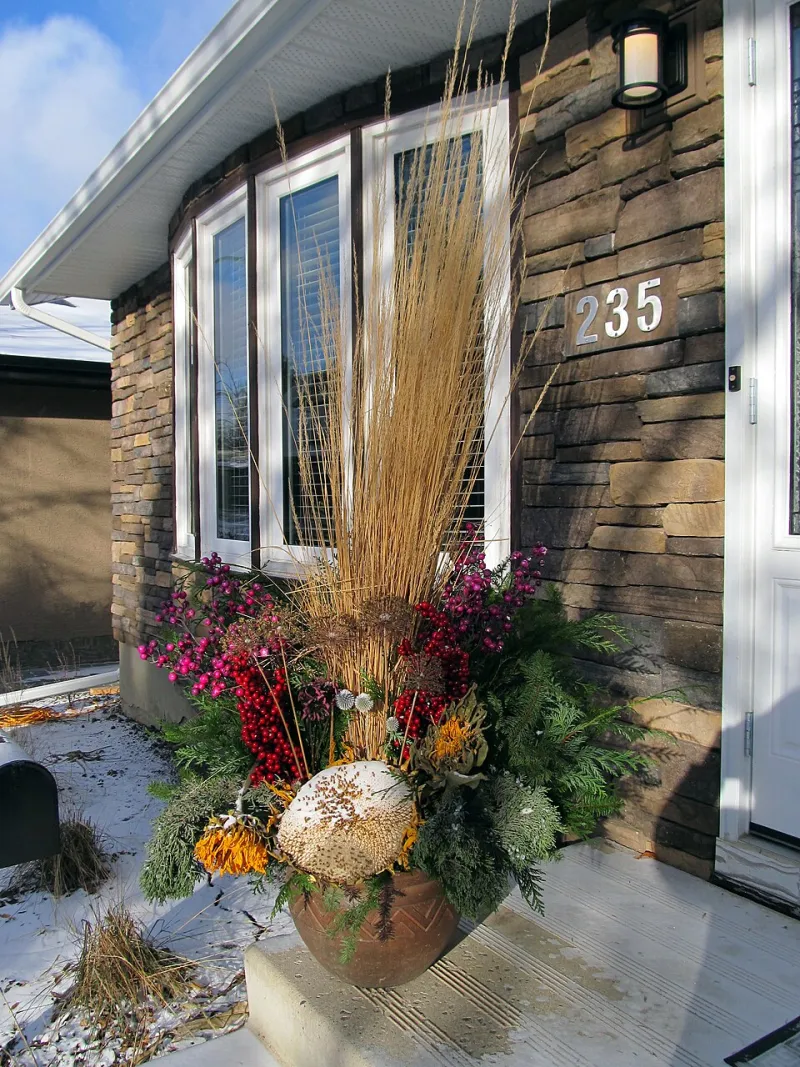
Photo: daryl_mitchell from Saskatoon, Saskatchewan, Canada, CC BY-SA 2.0, via Wikimedia Commons
The nursery is tucked down a lane near the coast, the kind of place where the polytunnels look a bit patched and the best plants are not always labelled. On a damp morning in early November, the grower is moving pots of Sarcococca and hellebores under cover, muttering about drainage. It is not the glamorous side of gardening, but it is the side that decides whether a doorstep pot looks good in January or turns into a soggy mess by Christmas.
Her rule for winter containers is simple: do not treat them like summer pots with a few pansies dropped in. A doorstep is an exposed place. It gets wind, rain, splashes from boots and the occasional blast of salt if you are close to the coast. The plants need to earn their place.
Here are six recipes from the nursery bench, scaled for ordinary UK doorsteps and built around Cornish-grown provenance where possible.
Start with the pot, not the plant
Before the recipes, the basics. Use a pot with a decent drainage hole, raise it on feet so water can escape, and use a peat-free, loam-based compost mixed with grit. Winter wet kills more container plants than cold does. Group pots together for mutual shelter, keep them out of the fiercest wind, and do not feed until spring. A mulch of grit or bark keeps the surface tidy and stops liverwort moving in.
1. The evergreen anchor
A dwarf Pittosporum tobira such as Nanum gives a steady evergreen shape, with leathery leaves that shrug off coastal wind. Underplant with Helleborus niger and a few clumps of ivy. The hellebore brings white flowers in the darkest weeks, and the ivy softens the edge of the pot. This is the pot for a front door that needs to look composed rather than colourful.
2. The scented doorstep
Sarcococca hookeriana var. humilis is the quiet hero of winter containers. It stays low, tolerates shade and sends out that remarkable vanilla scent from tiny flowers in January and February. Add a layer of snowdrops and a little evergreen fern. Put this one where you will brush past it on the way out. Scent is the thing that makes a doorstep feel cared for in winter.
3. The bulb layer cake
Use a deep pot and stage the bulbs in layers. Tulips go deepest, narcissus such as Tête-à-Tête in the middle, and crocus near the top. Add a small evergreen grass or Carex for structure while the bulbs are underground. The layers give you movement from late winter into spring rather than one frantic fortnight. Keep the compost damp but never sodden, and move the pot into a little more light as the shoots come through.
4. The berry and foliage pot
Skimmia japonica Rubella gives red buds that hold through winter and open in spring. Team it with Gaultheria procumbens for red berries and low evergreen cover, plus a few ivy plants to trail over the rim. Use ericaceous compost for this one if your tap water is hard. It is a good pot for a shady doorstep where flowers would sulk but foliage and berries will still perform.
5. The architectural pot
A dwarf Phormium such as Tom Thumb gives upright shape without taking over, and Carex testacea adds a fizz of orange-brown. Underplant with winter pansies or violas if you want a little colour, but keep it restrained. This is the pot that holds the doorstep together when everything else is looking ragged. In a very exposed spot, give it some shelter from the worst wind and check it does not sit in water.
6. The kitchen door pot
Rosemary, thyme, bay and winter savory make a useful, evergreen group by the back door. They need sharp drainage and a sunny spot, so use a gritty compost and do not overwater. Pick sparingly through winter, then give them a liquid seaweed feed in spring. It is not the flashiest pot on the step, but it earns its keep every time you need a sprig for a stew.
The winter routine
From November to February, the job is mostly about water and wind. Check drainage after heavy rain. Raise pots if they are sitting in saucers. Move the most tender pots against a wall or into a porch during severe weather, but do not wrap everything in fleece and forget about it; good air movement matters too. Water sparingly in mild, dry spells, especially evergreens, which can dry out in a cold wind even when the compost feels cool and damp.
Start feeding in March, not before. A liquid seaweed or balanced feed as growth begins is better than a winter boost that encourages soft shoots. Tidy dead leaves, top up the grit mulch, and turn the pots a quarter turn now and then so the sheltered side does not become the only side with growth.
The grower’s final point is the one worth taking home: a winter doorstep is not about beating the season. It is about giving yourself something to look at, and smell, on the mornings when the light is low and the wind is doing its best to get under the door. Six good pots will do that far more reliably than a dozen fussy ones.