Before the Frost: A Late-November Morning in a Cornish Community Orchard
Photo: Richard Avery, CC BY-SA 4.0, via Wikimedia Commons
The grass is wet through by nine o’clock. A table has been dragged under the shelter of a shed, and the first crate of apples is already being tipped into the press. It is early November in a village orchard in mid-Cornwall, and the air has that sharp, leaf-mould smell that arrives just before the weather turns properly cold. Somewhere beyond the hedge, a robin is making a point. Nobody is listening. There are apples to deal with.
This is the aftermath of Apple Day, that reliable autumn ritual of wassailing, tasting and slightly too much cider. The public event is over. What remains is the quieter work: sorting the last fruit, pressing what is sound, bottling juice, and hurrying the keepers into store before the first frost gets into the shed. In a community orchard, this is not a solitary job. It is a small act of collective memory, part harvest and part handover.
The orchard as a shared larder
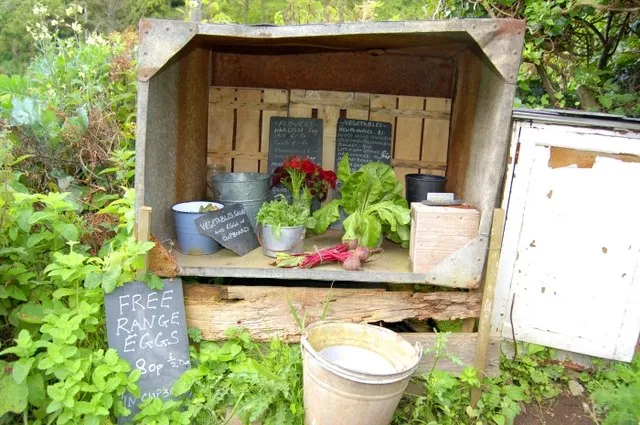
Community orchards come in many shapes: a strip behind a village hall, a former allotment, a corner of a churchyard, a field rented from a farmer. What they share is a simple idea. Fruit is better picked, shared and learned from than left to rot. In Cornwall, that idea sits comfortably alongside a long tradition of smallholdings, garden gates and roadside produce tables. The orchard is not a museum of old varieties. It is a working larder with a committee.
On this morning, the crates are a mixed bag. There are familiar eaters and cookers, but also heritage varieties with names that sound like they belong in a seed catalogue from another century: Cornish Gilliflower, with its long, oddly ribbed shape and rich perfume; Colloggett Pippin; Manaccan Primrose. Some are excellent keepers. Some are best eaten quickly or turned into juice. Part of the skill of a community harvest is knowing which is which, and not treating every apple the same.
Sorting is the real work
The press is the crowd-pleaser, but sorting is where the knowledge lives. Volunteers work along the table, checking each apple for bruises, splits, rot and insect damage. Sound fruit goes into store. Slightly damaged fruit is set aside for immediate pressing or cooking. Windfalls and anything mouldy are kept away from the keepers. It is not glamorous work, but it is the difference between a store that lasts into the new year and a shed full of brown mush.
The same rule applies in a domestic garden. If you have a glut, do not pile everything into one box and hope for the best. Sort early. Handle fruit gently. Keep only clean, unblemished apples for long storage, and use the rest first. A small garden may not have a community press, but it can still have a system.
The race against the frost
November in Cornwall is mild until it is not. A clear night can drop cold air into a valley, and a hard frost can catch anyone who has left crates outside or fruit on the tree too long. The volunteers here are not panicking, but they are moving with purpose. The last apples are being picked, the shed is being cleared, and the shelves are being lined with newspaper.
For gardeners, the lesson is straightforward: watch the forecast and pick before the frost, not after. Apples that have been frosted soften quickly and store badly. If you cannot pick everything, prioritise the best keepers and the fruit that is already ripe. Leave nothing on the ground overnight if a cold snap is coming. And if you are storing fruit, keep it cool, dark and rodent-proof. A shed is fine if it is frost-free; a garage or a cool room is better. Check the crop regularly and remove any fruit that starts to go over.
Pressing, bottling and the honest taste of a local crop
The press itself is a simple, satisfying machine. Apples are chopped or scratted, loaded into a cloth, and squeezed until the juice runs. The first pressing of the day is always a bit chaotic. The second is calmer. By the third, someone has remembered where the jugs are and someone else has started a list of who ordered what.
Fresh apple juice is a brilliant use of a glut, but it does not keep long in the fridge. For community orchards, bottling or pasteurising is often the practical answer. For home gardeners, smaller batches are easier: drink some fresh, freeze some, or heat-treat and bottle it if you know what you are doing. Cider, chutney and apple butter are other routes, though they demand their own kind of patience. The point is not to be precious. The point is to use the fruit.
What a community orchard teaches
There is a tendency to talk about community orchards in terms of biodiversity, volunteering and local food. All of that is true. But the thing you notice on a morning like this is the knowledge in the room. One person knows which variety keeps until March. Another knows how to sharpen the press. Someone else remembers that the north corner is always a week behind, and that the wasps arrive when the sugar starts to rise. This is practical wisdom, passed along with the crates.
For UK gardeners with a single apple tree, that sense of shared learning is worth borrowing. Ask a neighbour what they do with their glut. Join a local orchard group if there is one. Swap varieties, recipes and storage tips. If you have space, plant a heritage apple tree suited to your area, but only if you can look after it. A tree is a long conversation with a place.
The last crate
By lunchtime, the press has slowed and the shed smells of juice and wet grass. The keepers are laid out on shelves, wrapped in newspaper, labelled by variety and date. The juice is bottled. Someone has put the kettle on. Outside, the orchard looks scruffy and honest: grass long, branches bare, a few windfalls left for the birds.
The frost may come this week or next. It will not wait for anyone. But the work of the harvest is mostly done. In a Cornish village orchard, November is not the end of the season. It is the point where the year’s fruit becomes something to share, store and remember.